Showing posts with label urologist in Dwarka. Show all posts

Tuesday, 31 August 2021

Kidney Stones: what they are, what are the symptoms and treatments


The kidney stones are a very common disease of the urinary tract, known by the disabling pain it causes.

Knowing the symptoms and carefully controlling them is important so that an adequate therapeutic strategy can be found.

After all, it is through treatment that you can regain general well-being, affected by the presence of this pathology.

Urologist in Dwarka discusses what are the most effective methods to get rid of kidney stones.

What are Kidney Stones and why do they form?

They are hard formations (hence the term used, “stones”) resulting from the aggregation of minerals and salts present in the urine.

In fact, the correct technical designation is kidney stones. The existence of kidney stones gives rise to a condition known as Renal Lithiasis.

Although they form in the kidneys, the stones can move to another part of the urinary tract, namely the ureters and bladder.

They may have different biochemical compositions, which distinguish them: calcium (such as calcium oxalate, the most common or calcium phosphate, for example), uric acid, struvite and cystine, among others, explains the urologist in Dwarka.

It is not always possible to identify the cause of the problem, but there are some risk factors related to kidney stones that seem to increase the probability of its occurrence, such as:

  • Family history of urinary lithiasis;
  • Insufficient fluid intake;
  • Unhealthy diets (mostly high in salt, sugar and protein);
  • Obesity;
  • Low urinary output;
  • Pathologies in certain glands or kidneys;
  • Certain medications and supplements;
  • Low urinary concentration of protective elements such as citrate or magnesium (which help to inhibit stone formation).

How do they manifest?

When lodged in the kidneys, kidney stones may not cause symptoms.

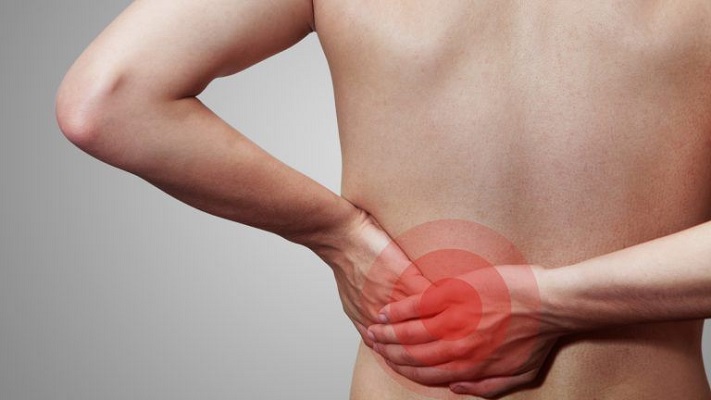
However, if they move along the urinary tract, the first warning sign appears – a sudden, intense pain, usually near the flank or lumbar region, which may radiate to the abdomen or other areas such as the groin.

Known as renal colic, this pain is extremely disabling and has no relief position. It is one of the most intense pains that human beings can experience, says the urologist in Hari Nagar.

These stones may also be at the origin of other symptoms:

  • Nausea and vomiting;
  • Increased voiding frequency, burning when urinating or sudden urge (especially when the stone is close to the bladder);
  • Bloody urine (haematuria);
  • Fever (which is usually an indicator of infection).

Incidence of Renal Lithiasis

It is estimated that this pathology affects between 2 to 3% of the world population, predominantly white men.

The probability of having an episode of renal colic, in patients with stones, up to 45 years of age, is around 9%, explains the urologist in Hari Nagar.

How to Treat Kidney Stones

The basis of correct treatment is making an accurate diagnosis, as kidney stone treatment in Dwarka depends on information such as the location and size of the kidney stone.

Thus, it is necessary to know the clinical history, perform an objective exam and resort to some complementary exams, namely imaging.

This assessment is essential because there are other diseases with similar symptoms, and it is essential to exclude them.

What are the options for kidney stone treatment in Hari Nagar?

In the acute phase of the disease, when pain is intense, if there are signs of infection/obstruction, urgent surgery may be necessary.

The aim is to eliminate stones, and, for this, different strategies can be followed by the urologist in Uttam Nagar.

When the stone is small and the pain is tolerable/controllable, it is possible to expect it to be spontaneously eliminated through the urethra. Various medications can be used, either to control pain or to facilitate the elimination of the stone.

When the dimensions are larger or the stones is closer to the kidneys and does not progress along the ureter, it is necessary to resort to other methods - namely surgical, even if minimally invasive.

One of the options is to carry out Extracorporeal Lithotripsy by Shockwaves (LEOC), which promotes the fragmentation of the stones, which then are naturally eliminated. Although efficient, it has some contraindications, limiting its performance.

Another method, used in most cases, is Endoscopic Surgery, which consists of ureterorenoscopy or retrograde intrarenal surgery. 

Through a semi-rigid or flexible ureteroscope, which is inserted into the urethra and bladder, the ureter is accessed, and the ureteral/kidney stones are fragmented with a laser guided by an optical fiber and removed using surgical instruments.

These procedures are extremely precise and controlled, thanks to the use of video surgery, with a camera included or attached to the ureteroscope, says the urologist in Uttam Nagar.

Endoscope procedures may vary depending on the type of calculation:

  • Inside the kidney: with a flexible ureterorenoscope, through which the laser fiber passes and very small instruments (“baskets” or tweezers, for example), to remove the stones;
  • In the ureter: with a semi-rigid ureteroscope, with the same type of instruments, although larger;
  • Percutaneous nephrolithotomy: in some cases, namely for very large stones that cannot be removed with the equipment and instruments mentioned above, the kidney is punctured from the skin of the lumbar area to introduce devices that fragment and remove the stones.

What are the results?

Endoscopic Surgery is a very efficient method at Kidney Hospital in Dwarka, with high success rates.

However, it is important to remember that Kidney Lithiasis is a disease with a tendency to relapse.

Thus, it is important to bet on preventing the formation of new stones, by changing some habits such as:

  • Increase fluid intake;
  • Improve eating habits;
  • Monitor urine color (light-colored, almost transparent urine is a sign that it is diluted and less likely to form new stones).

Saturday, 24 April 2021

Urinary Retention: how this disease can be a dangerous alert


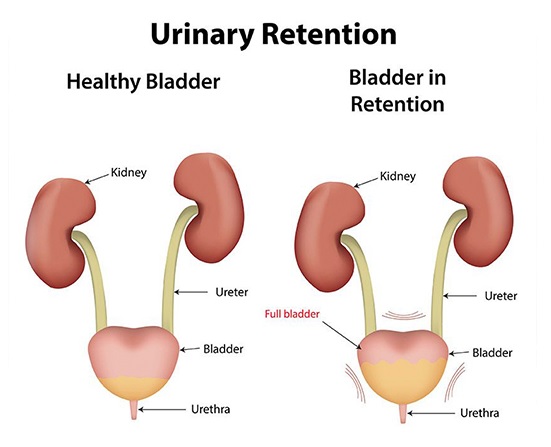
The urinary retention is a common problem for men and women, and is characterized by the difficulty of completely empty and bladder, explains the best urologist in Janakpuri.

In most cases involving the male sex, retention can be a sign of diseases such as benign prostatic hyperplasia.

The prostatic hyperplasia is benign prostate enlargement, which start occurs 40 and 90% for men. As the man gets older and the prostate naturally increases in size and can begin to compress the urine channel, thus making it more difficult to empty the bladder. In addition, urinary retention can cause damage to this organ and the kidneys, states the urologist in Uttam Nagar.

The treatment of enlarged prostate can be done with medications, but when it is in an advanced stage, to the point of causing urinary retention, it is necessary to perform surgery, which can be done through the urine channel. It is a little invasive procedure and the patient is discharged the next day, says the urologist in Uttam Nagar.

The robotic prostate surgery is recommended for patients who have prostate cancer, but can be used in cases of enlarged prostate, when the prostatic mass is very large and the urine canal surgery becomes more risky.

But there are still other causes that are worth analyzing carefully, which shows how important it is to seek medical assistance for the evaluation of each case specifically.

What are the characteristics of urinary retention?

The urinary retention, a condition where the bladder does not empty completely, even if it is full and can affect both men and women. But it occurs more often in men, especially as they get older.

Over the age of 70, more than 80% have a picture of an enlarged prostate, which can lead to urinary retention.

The retention is classified into two types: acute and chronic and may still have tables and different causes.

Acute Urinary Retention

In the case of acute retention, the problem appears suddenly and can become fatal, requiring you to see a urologist in Hari Nagar immediately.

The first symptoms are difficulty in urinating and a lot of pain and discomfort in the lower abdomen, more specifically, in the bladder region.

If you have any of these symptoms, the ideal is to seek medical emergency. Thus, the accumulation of urine will be released with the help of drugs and other procedures, suggests the urologist in Hari Nagar.

Chronic Urinary Retention

Already chronic urinary retention occurs for a long period of time and you may not even know that you have this condition because it has no symptoms initially.

However, over time, chronic urinary retention can lead to several complications such as:

  • Need to urinate frequently, usually eight or more times a day;
  • Difficulty initiating the flow of urine;
  • Your urine flow is weak or starts and stops;
  • Urine leaks from the bladder throughout the day;
  • Right after you finish urinating, you feel that you need to urinate again;
  • Slight discomfort or a feeling of fullness in the pelvis / lower abdomen.

If you have one or more of these symptoms, know what may be causing the retention and all of the resulting discomfort.

Stay tuned! Urine retention may be a symptom of more serious problems

In men and women, retention can be caused by the presence of urinary tract stones, by severe inflammation of the urethra, by urethral stenosis and even by the presence of a foreign object inserted in the urethra or by a tumor formation in the bladder or urinary tract..

In men, the main causes are related to the prostate, either due to the appearance of Benign Prostatic Hyperplasia (BPH) or prostate cancer, whose most recommended treatment today is robotic prostate surgery, says the urologist in Dwarka.

After all, this type of surgery is less invasive and promotes the patient’s recovery more quickly.

It is worth concluding that urinary retention is an easy disease to diagnose. But, if it is not diagnosed and treated correctly, it can bring serious complications to your health.

This is especially true if retention is associated with prostate cancer, one of the types of cancer that kills men the most today.

So, become aware! Seek professional medical help and be sure to have routine tests such as blood tests, ultrasound and rectal examination, which can alert you to your urinary and prostate health, advices the urologist in Delhi.

Friday, 5 March 2021

Kidney Stones: Treatments and Recommendations


Kidney stones are hard deposits of salts and minerals that form in the kidneys. The vast majority of these correspond to calcium salts and depending on each patient, their size and shape will vary.

The urologist in Hari Nagar explains, this pathology can produce sudden onset pain that, generally, is of great intensity and begins in the lumbar area on one side, radiates to the lower abdomen and, on occasions, to the lower back. genitals. Also, it can be accompanied by a feeling of nausea, anxiety and sweating, in addition, it can cause darkening of the urine and urinary symptoms, such as pain when urinating and increased frequency of urination.

The risk of not treating kidney stones adequately can be associated with the risk of developing infections of varying severity in a poorly drained urinary tract and can cause kidney function to be reversibly or irreversibly impaired. If the obstruction is temporary or remains long-term, there is even a risk of causing kidney loss, says the urologist in Hari Nagar.

How to relieve kidney stone pain?

There are various types of treatments for kidney stones and these range from medical management to surgical management.

According to the urologist in Uttam Nagar, the main objective of medical treatment is to relieve pain for patients, since, as mentioned above, it can be very intense.

This treatment will vary according to the characteristics of each patient, which will be determined with an imaging study that should be performed as soon as possible. According to urologist in Uttam Nagar, the most effective is Pielotac (non-contrast computed axial tomography) and according to this result, the urologist in charge must decide on the conduct of medical treatment.

Likewise, he adds that it is extremely relevant to consult and not self-medicate, since there is the possibility that the stone that is causing the obstruction of the ureter may stop hurting, which would lead to the patient thinking that the problem is solved and stop consult a specialist, with the risk of being left with a chronic obstruction and deteriorating kidney function.

Regarding home remedies for kidney colic, the specialist assures that they are inefficient, since there are no studies that support practices such as taking pineapple juice, coconut water or other herbs to facilitate its elimination. However, if the stone is small, it is thought that it is likely to be spontaneously expelled. Likewise, abundant fluid intake can help, but this should be indicated once the intense and acute pain has subsided.

The urologist in Dwarka is emphatic when commenting that the prevention of kidney stones is of the utmost importance and the fundamental pillar of this is the abundant intake of fluids (enough to urinate two liters a day), which must be accompanied by certain eating habits and physical activity.

Surgery for kidney stones

The kidney stone treatment in Hari Nagar for removing a stone that is in the ureter will depend a lot on its size. If it is less than five millimeters, it has an 80% chance of being expelled spontaneously, but this percentage decreases dramatically if the stone is greater than seven millimeters, to less than 20%, says the urologist in Dwarka.

So, in the same way, the most indicated surgery for each kidney stone will vary depending on its size.

When it comes to small kidney stones, that is, less than two centimeters, retrograde intrarenal surgery is the most indicated. The calculations of patients who wish to undergo this surgery must also meet other requirements related to its density, location, shape, size and quantity.

The main benefits of this technique are that it is a well-tolerated, minimally invasive surgery, which can be ambulatory or short-term in the clinic.

On the other hand, when kidney stones are larger, generally greater than two centimeters, or when they occupy a large part of the kidney’s excretory pathway (staghorn calculus), or have failed other less invasive methods, renal surgery is recommended for kidney stone treatment in Uttam Nagar.

Thursday, 26 December 2019

URINARY INFECTIONS AND THEIR POSSIBLE CAUSES

UTI

Urinary infections are a type of disease that occur in both men and women. It is a very annoying infection that needs immediate treatment at the time your symptoms begin to appear since if we let it pass, this infection can have serious consequences. In the case of one of the most common health problems, it is necessary to know its causes, treatment and possible ways to prevent it.

We could say that the main cause of urinary tract infections is due to those bacteria that live in the large intestine. In men, more specifically, the prostate gland produces secretions that retard the growth of these bacteria, although in spite of this they are at risk of infections in the same way.

At the time that the bacteria rise to the kidneys these infections are complicated, since despite being less frequent, it is much more serious than a normal infection such as cystitis, so you need a more severe and controlled treatment.

Some of the symptoms that manifest and which are an alert that we should see urologist in Palam immediately would be the following:
  • Need to urinate constantly and annoying despite not wanting to.
  • Urine with a strong smell or even bleeding.
  • High temperature and chills.
  • Burning sensation when urinating.

Apart from the symptoms, how can I know if it is an infection or not?

Through a good diagnosis we can know what it is. This is based on the medical history and an examination of the patient. Some of the radiological studies that are carried out are the radiography of the abdomen and an ultrasound, in addition to the current analyzes and a urine culture for the correct collection of urine, explains urologist in Uttam Nagar.

What is the most appropriate treatment?

Depending on the severity of the infection, one treatment or another will be applied. If the infection is a common cystitis, the treatment will be antibiotics for two or three days. On the other hand, if the infection is more serious and has reached the kidneys, there will be the possibility of being admitted for a few days to keep a thorough check of the patient and to be able to give him the appropriate medication until the infection disappears from the kidneys and prostate, says urologist in Janakpuri.

Urinary infections do not go away overnight. It is a process that takes a few days and requires an adequate recovery if we want the discomfort to disappear completely. In the case of reappearing after recovery, it will be convenient to perform tests to diagnose the occurrence of diseases that cause this infection.

How does this problem affect children?

These types of infections are very common in children. This may be due to various functional problems. In some cases the infections go unnoticed since children do not know what the symptoms are.

These are usually seen manifested in behaviors such as stop eating, high temperature, or irritability.

It is essential to stop this type of infection as soon as possible, as this can lead to more serious problems that may affect the health of the little ones in the future, explains urologist in Dwarka.

What are the main causes?

Some of the factors that can trigger a urinary infection are:
  • Any alteration of the urinary system, such as a stone.
  • Presence of a catheter or catheter.
  • Occasionally, sexual activity can lead to the introduction of bacteria into the bladder, increasing the risk of having cystitis.
  • Alterations in the bladder.
  • Reflux vesicoureteral.
  • Genetic factors. Also diabetes, for example, or the elderly and with lower defenses.

How can I prevent this type of urinary infections?

There are some very simple actions to perform, but we must take into account because if we do them in the right way we can save many health problems. Some of them are:
  • Do not delay the time to go to the bathroom.
  • It is important to completely empty the bladder.
  • Drinking a lot of water throughout the day cleanses our body.
  • Go to the bathroom after performing the sexual act.
If you have any doubts or symptoms, it is best to see the urologist in Hari Nagar who is aware of proper treatment.

If you do not see any type of infection through a urine test, go to your urologist in West Delhi to perform other diagnoses and the corresponding tests.

Monday, 18 February 2019

Kidney Stone: Symptoms, Causes & Treatment


The stones in the kidneys, also called kidney stones, is a mass similar to stones that can be formed anywhere in the urinary system. Generally, the stones in the kidneys are eliminated through the urine, without causing symptoms, but in some cases, it can get stuck causing intense pain and blood in the urine.

The treatment is done with the ingestion of abundant liquids and medications, and in the most serious cases, it may be necessary to perform surgery to remove the stuck stone.

Symptoms
The symptoms of kidney stones arise suddenly when the stone is very large and gets stuck in the kidney, or gets stuck when it starts to go down through the ureters to the bladder or when it causes an infection such as pyelonephritis, says urologist in Dwarka

A kidney crisis can vary over time, mainly in the location and intensity of pain, but small stones do not usually cause problems and are often only discovered during urine tests, ultrasound or radiography.

The place and the intensity of the pain can vary according to the transit of the stone inside the organism, being of greater intensity when it crosses the ureter until the bladder, to be eliminated altogether with the urine, says urologist in Janakpuri.

In case the pain is very intense, do not calm down and there is fever, vomiting, blood in the urine or difficulty urinating, you should go to the doctor or to the kidney hospital in Uttam Nagar so that exams are carried out and the kidney stone treatment in Uttam Nagar is initiated as soon as possible.

Causes of kidney stones
The causes of kidney stones, also known as kidney stones, can be related to little fluid intake, diet, genetic factors and some diseases. Some of the causes are:
  • Renal Calcium Calculus : of hereditary origin and should be treated with a diet with low sodium content and protein, recommending the intake of diuretics. The treatment can be done through the reduction of the consumption of foods rich in oxalates and fats, the intake of a calcium supplement to facilitate the fixation of oxalate in the intestine says urologist in Uttam Nagar.
  • Renal calculation of uric acid : it can be caused by a high consumption of foods rich in proteins that generate the increase of uric acid in the bloodstream. In this case the treatment can be done with the ingestion of Allopurinol and with a diet with low purine content.
  • Renal calculation of cystine : of hereditary origin, can be treated with a high intake of fluids, alkalis and D-penicillamine, when necessary.
  • Renal struvite calculation : can be caused due to the complication of an infection in the urinary system. Kidney stone treatment in Hari Nagar can be done through the ingestion of antibiotics and surgery to remove the stones, because they tend to be large. 
When performing the tests that diagnose the kidney stone, the urologist in Hari Nagar can identify what type of calculation the individual has, making an analysis of its composition, indicating the best treatment. For all types of kidney stones, the main recommended kidney stone treatment in Palam is the intake of approximately 3 liters of water per day and a lot of rest, since hospitalization is not always necessary, since the stones can be naturally expelled by the body.

In addition to this, stones in the kidneys can also be caused by rare diseases such as primary or secondary hyperoxaluria, for example. These diseases promote an accumulation of oxalate in the body due to deficiencies in some enzymes that digest this compound, thus ending overloading the kidneys, which leads to the emergence of these stones, says urologist in Palam.

Treatment for kidney stones
Treatment during a kidney stone crisis should be indicated by a urologist in West Delhi and usually begins in the kidney hospital in Hari Nagar through the use of intravenous analgesic medications such as Tramadol and antispasmodic medications such as Scopolamine. After a few hours, in which the pain picture improves, the patient receives medical discharge.

At home the treatment is maintained with oral analgesics such as Paracetamol, rest and hydration with around 2 L of water per day, to facilitate the exit of the stones.There is also a home remedy that is widely used to treat stones and is chancapiedra tea, has diuretic and analgesic properties that facilitate the exit of them. 

In the most serious cases, in which the stone is too large to go out alone, it may be necessary to perform surgery or laser treatment to facilitate its exit. During pregnancy, the treatment is done only with analgesics and medical support. 

Tuesday, 12 February 2019

Symptoms that may indicate that the prostate is inflamed


Prostatitis is characterized by an inflammation of the prostate that causes an increase in its size, which can cause symptoms such as pain, burning during urination, fever, among others, says urologist in West Delhi.

Generally, prostatitis is caused by a bacterial infection and, in general, the treatment consists in the administration of antibiotics, analgesics and anti-inflammatories indicated by the urologist.

What are the symptoms of prostatitis

The most common symptoms that may indicate the presence of a prostatitis, which is inflammation of the prostate, are mainly the decrease in the strength of the urine stream and painful urination.

In addition to the symptoms indicated, prostatitis can also cause fever and chills, especially if the prostatitis is caused by an infection. However, the only way to confirm the diagnosis is to consult a urologist in Janakpuri to indicate laboratory tests such as a blood test, urine or even an ultrasound.

When urinary frequency increases, there may be blood in the urine, which is common cause impotence due to constant pain. However, these symptoms can also be related to a urinary infection in man.

Most common causes of prostatitis

Although there are different causes that can result in inflammation of the prostate, most prostatitis is caused by an infection, especially bacteria. For this reason, it is relatively common for prostatitis to be treated with the use of antibiotics, which must be prescribed by the urologist in Palam.
In some cases, prostatitis can be caused by surgeries or injuries in the region and in some situations, it is not possible to determine what the cause is.

Classification of prostatitis

Prostatitis is classified as:
  • Type I - Acute bacterial prostatitis;
  • Type II - Chronic bacterial prostatitis;
  • Type III A - Pelvic pain syndrome, also known as chronic inflammatory prostatitis;
  • Type III B - Chronic non-inflammatory prostatitis, pelvic pain syndrome or prostatodynia;
  • Type IV - Asymptomatic inflammatory prostatitis.
In general, acute and chronic prostatitis present the same symptoms, only the acute one becomes chronic when the symptoms last for more than 3 months.

How the diagnosis of prostatitis is made

The diagnosis of prostatitis is made considering the symptoms referred by the patient and, which are usually related to difficulty urinating.

Also, the urologist in Dwarka can indicate the collection of urine, prostatic fluid and recommend the performance of tests such as flowmetry, digital rectal examination, PSA blood test or even biopsy to confirm the cause of the prostate enlargement.

Treatment for prostatitis

The treatment of prostatitis is indicated by the urologist in Uttam Nagar, who in most cases, identifies an infection and prescribes the use of antibiotics in tablets or, in more severe cases, medications that are applied directly intravenously at the kidney hospital in Uttam Nagar.

In addition, the doctor may also prescribe painkillers and anti-inflammatories to relieve symptoms or alpha blockers such as tamsulosin, which helps relax the neck of the bladder and muscle fibres where the prostate attaches to the bladder.

In chronic bacterial prostatitis, treatment with antibiotics lasts for approximately 3 months. However, when antibiotics do not help reduce inflammation, surgery may be necessary to remove the prostatic abscess that is causing the symptoms, says urologist in Hari Nagar.

Monday, 11 February 2019

Diabetes and urological problems

Urological problems that affect men and women with diabetes include bladder problems and urinary tract infections.

Bladder problems
Many events or disorders can damage the nerves that control bladder function, including diabetes and other diseases, injuries and infections. More than half of women and men with diabetes have bladder dysfunction due to damage to the nerves that control the function of the bladder, the best urologist in West Delhi says. Bladder dysfunction can have a shocking effect on a person's quality of life. Bladder problems common in men and women with diabetes include the following:
  • Overactive bladder. Damaged nerves may send signals to the bladder at the wrong time, causing the muscles to contract without warning. Symptoms of overactive bladder include
    • urinary frequency-urinating more than eight times a day or two or more times at night
    • urinary urgency-sudden and strong urge to urinate immediately
    • urinary incontinence-the dribbling of urine that happens after sudden, strong urges to urinate
  • Inadequate control of the sphincter muscles. The sphincter muscles surround the urethra-the tube that carries urine from the bladder to the outside of the body and keeps it closed to hold urine in the bladder. If the nerves in the sphincter muscles are damaged, the muscles can become loose and allow dripping or remain closed when the person tries to expel urine.
  • Urinary retention. In some people, nerve damage prevents the muscles of the bladder from receiving the signal that it is time to urinate or makes the muscles very weak and can not empty the bladder completely. If the bladder gets too full, urine can accumulate and the increased pressure can damage the kidneys. If the urine stays too long in the body it can develop an infection in the kidneys or bladder. Urinary retention can also produce overflow incontinence, which is the leakage of urine when the bladder is full and does not empty completely, says the best urologist in Janakpuri.
The diagnosis of bladder problems can include both the control of bladder function and the appearance of the inner part of the bladder. Tests may include x-rays, urodynamic tests to evaluate bladder function, and cystoscopy, a test performed by the best urologist in Dwarka that uses a device called a cystoscope to look inside the bladder.
The treatment of bladder problems due to nerve damage depends on the specific problem. If the main problem is the retention of urine, the treatment suggested by the best urologist in Palam may include medications to stimulate a better emptying of the bladder and the practice of a programmed emptying that consists of urinating at a fixed time, which helps to make urination more effective. The best urologist in Uttam Nagar sometimes inserts a thin tube called a catheter periodically through the urethra to drain urine from the bladder. It is also useful to learn to know when the bladder is full and how to massage the lower part of the abdomen to empty the bladder completely. If urinary drip is the main problem, medications, muscle strengthening with Kegel exercises and surgery can help in some cases.
Infections of the urinary tract
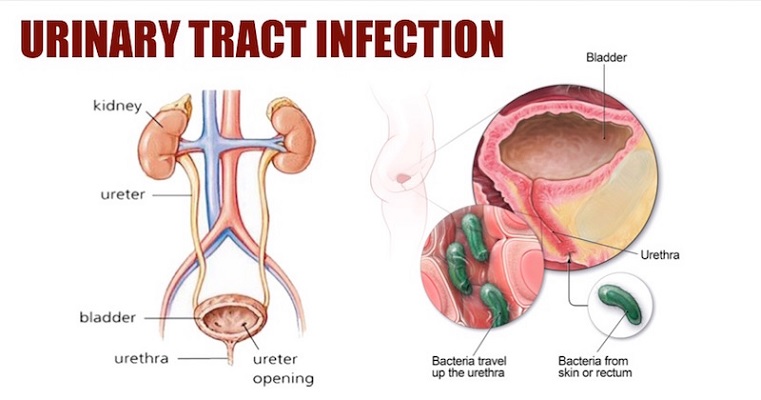
When bacteria, usually from the digestive system, reach the urinary tract, infections can occur. If bacteria grow in the urethra, this infection is known as urethritis. The bacteria can go up through the urinary tract and cause a bladder infection called cystitis. An untreated infection can progress further into the body and cause pyelonephritis, an infection of the kidneys explain the best urologist in Hari Nagar. Some people have chronic or recurrent urinary tract infections. Symptoms of urinary tract infections include
  • Intense need to urinate
  • pain or burning in the bladder or urethra during urination
  • turbid or reddish urine
  • in women, pressure on the pubic bone
  • in men, a feeling of fullness in the rectum
If the infection is in the kidneys, a person may have nausea, pain in the back or side and fever. Frequent urination can be a high glucose signal in the blood, so the recent results of blood glucose control should be analyzed.
A urologist in West Delhi will ask for a urine sample to test for bacteria and pus. Additional tests may be performed if the patient has frequent urinary tract infections. An ultrasound provides images of the echo waves that bounce off the internal organs. An intravenous pyelography uses a special dye to enhance the radiographic images of the urinary tract. A cystoscopy can also be performed.
To prevent more serious infections, timely detection and treatment are important. To eradicate a urinary tract infection, it is likely that the urologist in Janakpuri will prescribe an antibiotic treatment based on the type of bacteria in the urine. Kidney infections are more serious and may require antibiotic treatment for several weeks. Drinking large amounts of fluid helps prevent another infection.

Saturday, 9 February 2019

10 Signs That May Indicate Prostate Cancer


Alterations in the urine and difficulty in maintaining an erection are signs that may indicate prostate cancer, a common disease after 50 years. However, these same symptoms can also occur due to benign changes such as in the case of benign prostatic hyperplasia. Therefore, it is important to go to the urologist in west Delhi at least once a year after the age of 45 to perform routine exams to identify any prostate changes as soon as possible.

The prostate is a gland located near the anus and therefore the examination of the digital rectal examination is the best way to evaluate whether it is well or not. It is the prostate that produces the fluid that forms the sperm that is important to drive the sperm to the egg during sexual contact, says urologist in hari nagar.

Initial symptoms of prostate cancer

The initial symptoms of cancer in the prostate are unspecific and very similar to any other problem in that region. If there is a risk of suffering from a problem in the prostate, you may have symptoms presented below:
  1. Difficulty starting to urinate
  2. Decreased urine stream
  3. Frequent urges to urinate, even at night
  4. Sensation of having a full bladder, even after urinating
  5. Presence of urine drops in underwear
  6. Impotence or difficulty maintaining an erection
  7. Pain when ejaculating and / or urinating
  8. Presence of blood in the semen
  9. Sudden urge to urinate
  10. Pain in the region of the testicles or near the anus
If any of these symptoms arise, you should go to the urologist in janakpuri to indicate the performance of tests that identify changes in the prostate such as the digital rectal examination and PSA, which is a blood test.

Symptoms of advanced prostate cancer

In more advanced cases in which the prostate is greatly increased or cancer metastasis has occurred to other regions of the body, the symptoms may be: 
  • Urinary or faecal incontinence;
  • Weakness in the legs;
  • Bone pain;
  • Renal insufficiency.
In the more advanced stages, it is important to go to the urologist in uttam nagar to assess the extent of the disease and if it has reached other organs, with the help of tests such as prostate biopsy, scintigraphy or computerized tomography.

Prostate cancer treatment

The treatment for prostate cancer is carried out according to the stage in which the disease is found and the patient's state of health. Normally the treatment is done with:
  • Surgery : it is the most used treatment, since the prostate is extracted and if it is diagnosed at an early stage, this method can achieve the cure of the disease;
  • Radiotherapy : used in cases in which surgery is contraindicated or when the patient does not want to be operated;
  • Hormones : are used to control the production of hormones that promote the development of the disease.
In the most advanced cases of the disease, two of these treatment methods are usually used, often extracting beyond the prostate, the testicles as well, says urologist in dwarka.

The increase of the prostate is not always indicative of cancer, although it causes the same symptoms.

Tuesday, 22 January 2019

Urine infections in men: causes and treatment


The urinary tract infections also affect men. Although the prevalence is lower than in women, in men the treatment tends to be longer. In the symptoms and causes, it can be seen that men and women are different. The urologist in West Delhi help us to know the peculiarities of these infections.

Prevalence of urine infections in men
Men do not get rid of urine infections, however the prevalence is a little lower than in women. "While urinary tract infections affect between 10 and 12 percent of women of sexually active age and 25 or 30 percent in postmenopause, in young men they are around 2 or 3 percent and when the prostatic volume increases, around 45 or 50 years of age, that figure rises to 7 or 10 percent, "says urologist in Palam.

According to urologist in Janakpuri, in the adult male, the prevalence and incidence of urinary tract infections (UTI) increase after the age of 50, most often related to benign prostatic disease (benign prostatic hyperplasia or BPH). UTIs can affect up to 30 percent of men over 65, and it is estimated that 12 percent of men will experience UTIs throughout their livesThis risk in men is greater in diabetic patients, immunosuppressed, patients with urinary lithiasis and in carriers of urinary catheters transient or permanent.

Causes in man
Urologist in Dwarka says that there is no single cause for the development of a UTI in men. "There are anatomical, hormonal and behavioral factors that can favor the development of an infection. Some diseases such as BPH increase the risk of developing UTI, but also other diseases such as diabetes, urinary stones, neurodegenerative diseases, vesicoureteral reflux ... Sexual activity can favor the appearance of these infections due to the bacterial translocation of germs that cause infection".

The most common bacteria in UTIs are Escherichia coli (responsible for 80 percent of cases), Staphylococcus saprophyticusKlebsiella pneumoniae and Proteus mirabilis.
Urologist in Uttam Nagar, on the other hand, points out that there are great differences between the causes that cause urinary infections in men and women, among other things due to the different length of the urethra. " Chlamydiae or ureaplasmas can colonize the prostate in young men of sexually active age. In those who already have an enlarged prostate and the emptying of the bladder is more inappropriate, usually the germs that condition the infection are other bacteria: Escherichia coli, Klebsiella and Proteus ", specifies this urologist in Dwarka.

Less intense symptoms 
Roughly speaking, the pain and stinging when urinating (dysuria), the bad smell of urine, the presence of dark color or blood in the urine (hematuria), fever with chills and malaise are symptoms.

"Unlike women, who usually have UTIs with bladder (cystitis) or kidney (pyelonephritis) seats, in men the most frequent seats are the prostate (prostatitisand the testicle (orchitis or orchiepididymitis), "Says urologist in West Delhi.

More in detail, kidney hospital in Uttam Nagar distinguishes the symptoms of urine infections typical of young men from those of men over 50 years of age. Classify them as follows:
  • In young men, urine infection usually occurs as a prostatitis, which can be acute (high fever, difficulty urinating, severe pain and stinging when urinating, feeling of weight in the area of ​​the anus and genitals) or chronic ( disorders in ejaculation - including haemospermia or blood in the semen - pain in the genitals and in the lower part of the lumbar area).
     
  • In men of more advanced age, the symptoms are pain and itching when urinating or, in some cases, inability to void, which requires the placement of a probe in the bladder.
"As the symptomatology of urine infections in men is less intense on debut, it takes longer to go to the urologist's office. In other words, the acute symptoms make the woman go to the doctor before, "says urologist at kidney hospital in Hari Nagar.

Longer antibiotic treatment than in women
Urologists at kidney hospital in West Delhi  indicate that the treatment of UTIs in men is the same as in women, and their mainstay is antibiotics. The difference is that, because they are considered in the male as complicated infections due to anatomical and local factors, the duration of the antibiotic cycles is usually longer to ensure that the infection disappears (usually between two and three weeks, compared to short patterns of two, three or seven days in the woman).
In some forms of chronic prostatitis, antibiotic treatment must be continued until six weeks.

Recurrence of urinary tract infections in men
The recurrence of UTIs in the presence of a correct antibiotic treatment is low. Risk factors for recurrence are the concomitant presence of prostatic hypertrophy (BPH), urinary lithiasis, immunodeficiencies or voiding disorders of the urinary tract.
According to the best urologist in West Delhi, "the usual thing about women is to have a reinfection. On the other hand, in the man many times the antibiotic removes the symptoms, but there remains a small latent source of infection and weeks later it becomes active again, starting the symptomatology again ".

Advice for prevention
The most important prevention, in the words of best urologist in Janakpuri, "is the control and/or treatment of the predisposing condition, which in the adult male is usually BPH. In general, effective measures for the prevention of UTIs are considered to be adequate water intake (2 to 3 liters of water daily), bladder emptying regularly (urination every 2 or 3 hours) and proper genital hygiene"

For the young man who suspects a urinary tract infection because he has some symptoms, Burgos recommends, as a preventive measure, "to go to the specialist in Urology soon to avoid becoming chronized." For the over 50, the advice is to go to the urologist, at least once a year, to keep track of your prostate. It will be useful to screen for prostate cancer and to rule out the presence of benign prostatic hyperplasia or, if there is one, to avoid urine infection.

Monday, 14 January 2019

Reasons Why Your Pee Appears Cloudy

Voiding urine is probably something we take for granted often without any regard for the huge role it plays in our overall wellbeing. Urine is an indication of well-functioning kidneys. It should have the ideal color, odor, and fluidity. Any change in color especially indicates a disease or infection that requires our attention, says urologist in Janakpuri.

Cloudy urine is one such abnormal sign of renal or other systemic diseases. In healthy individuals, having too much dairy can cause slight cloudiness of urine, which is known as phosphaturia. This is temporary and doesn’t need treatment. However, there are other reasons explained by urologist in West Delhi why your pee is appearing cloudy.
You Are Suffering From A Urinary Tract Infection
If you have been experiencing a burning sensation during urination and your urine appears cloudy then you should meet the urologist in Palam as soon as possible. Other symptoms include a pungent vaginal odor almost ammoniacal in nature and pain during sexual intercourse. It can also be a symptom of STDs like chlamydia and gonorrhea and require urgent treatment from urologist in Dwarka.
You Are Not Drinking Enough Water
The color of the urine should normally be straw-colored. Anything darker indicates dehydration especially if it’s an amber tone. Not meeting your body’s hydration needs will lead to an improper breakdown of crystalline proteins and toxins in the body. These get removed from the blood via urine and render it a foamy experience, says urologist in Uttam Nagar.
You Have Kidney Stones
Kidney stones are a fairly common condition that can affect almost anyone. If you are experiencing severe flank pain with cloudy urine, then most likely it could be due to stone in the kidney or ureters. Often the stones are too big to pass through urine which causes obstruction and pain during urination. In renal diseases that destroy the filtrations system in the kidneys, proteins start showing up in urine thereby giving it a cloudy appearance, says urologist in Hari Nagar.
Your Prostate Health Is Failing
In men, cloudy urine can indicate that the prostate gland is infected, enlarged or has a cancerous growth in it. The change in urine is one of the ways your body tries to get your attention to a serious underlying condition. In such case, a person should immediately consult best urologist in Delhi.
You Are Pregnant
Many women complain that their urine appears cloudy or milky in early pregnancy. It can happen due to the surge of the pregnancy hormone, HCG, or due to excess vaginal discharge mixing with urine. However, it’s best to consult the urologist in Delhi and get a urinalysis done to rule out any infections. Scientific studies claim that women with UTIs during pregnancy are at a higher risk of having a preterm delivery with low infant weight.
You Have Diabetes Or Hypertension
Urine that appears murky and smells sweet is a red flag as it could mean you have diabetes. Even in individuals with high blood pressure, urine color can change due to the leaking of proteins from the kidney to urine. This condition is known as proteinuria and is often seen in kidney failure induced by diabetes or hypertension and in such case, patient should contact nephrologist in Delhi.
Anytime you spot a difference in color or consistency of urine, seek immediate medical attention as any delay could complicate the pre-existing condition.

Monday, 17 December 2018

Urinary Incontinence in Male & Child


URINARY INCONTINENCE

IN THE MALE
Urinary incontinence in men occurs, in most cases, as a consequence of surgery on the prostate, urethra or bladder, says urologist in Palam.
The therapeutic options are multiple. The most common procedure performed by urologist in Janakpuri are the following:
  • Rehabilitation of the perineal and pelvic muscles: Sometimes it is enough to resort to a good rehabilitation of the perineal and pelvic muscles to solve this problem. This is possible when the patient has residual muscle in the sphincter. On other occasions, rehabilitation should be used as a treatment associated with any of the surgical techniques described below. The results obtained with this type of treatment in our unit have been very satisfactory. The experience accumulated in this sense is broad and conclusive, being a reference centre for other urologist in West Delhi, who refer us to patients with this problem. In our unit, we recommend starting rehabilitation 4-6 weeks after having undergone radical prostate or bladder surgery.
  • Injection of bulking substances: It is a very simple and effective technique in about 50% of cases. When we associate the injection of bulking substances with Rehabilitation, the percentage of improvements and cures exceeds 75%.
  • Mesh placement: In males, meshes can also be used to correct certain forms of UI. The technique is not very complex and the results achieved can reach 70% cure / improvement says urologist in Dwarka.
  • Incontinence prosthesis placement: The results obtained with its implantation are very satisfactory.
IN THE CHILD
The causes of urinary incontinence in children can be very numerous. However, it is usually a problem of uncontrolled urination.
Children usually acquire daytime urinary continence around 2-3 years and nocturnal continence around 3-5 years. These ages are indicative and will depend, to a great extent, on the global maturity of each one.
Therefore, if a child is not able to contain urine during the day after 3 years or during the night after 5, he should consult with the specialist. Currently, most of the urologist in West Delhi think that it is better to value and treat these children from that age than to wait for their spontaneous evolution until they are older.
We, as a team of urologist in Hari Nagar, speak of enuresis when the child presents involuntary urine losses at an age when he should have already acquired control of urination. There are many different types of enuresis:
  • Primary or secondary: depending on whether the child has had control over the pee on occasion or not
  • Diurnal, nocturnal or mixed, depending on the time in which the enuresis occurs
  • Monosymptomatic or complex
  • Etc.
The most common form of presentation is usually monosymptomatic nocturnal enuresis. This clinical picture can appear as a consequence of multiple factors, such as:
  • Neurological factors
  • Psychic factors, critical emotional situations, etc.
  • Sleep problems
  • Hereditary factors
  • Etc.
Although this problem usually resolves spontaneously with the passage of time, it is not advisable to ignore it for two fundamental reasons: firstly, because it can be a more serious problem that starts manifesting in this way; and, secondly, because of the possible psychological effects that this situation could cause the child.
The therapeutic options are numerous. It is usually convenient and necessary to associate several of them to achieve satisfactory results. The available treatments at the hospital of urologist in Uttam Nagar are:
  • Behavioural measures: reduce the fluid intake before going to bed, urinate before going to bed, lift the child to urinate at night, motivate the child, not ridicule, etc.
  • Medical treatments
  • Use of alarms
  • Rehabilitation and voiding re-education.